Solar & Battery Storage FAQs for Scottish Homeowners
Answers to the questions Scottish homeowners most often ask about solar panels and battery storage — covering winter performance, adding a battery to existing solar, inverters, VAT, installation timescales, and MCS certification. Can't find your answer? Just call us.
Below are the questions we hear most often from homeowners across Scotland. If yours isn't here, call us on 0141 230 0198 or request a quote and we'll get back to you.
Solar panels in Scotland
Do solar panels work in the Scottish climate?
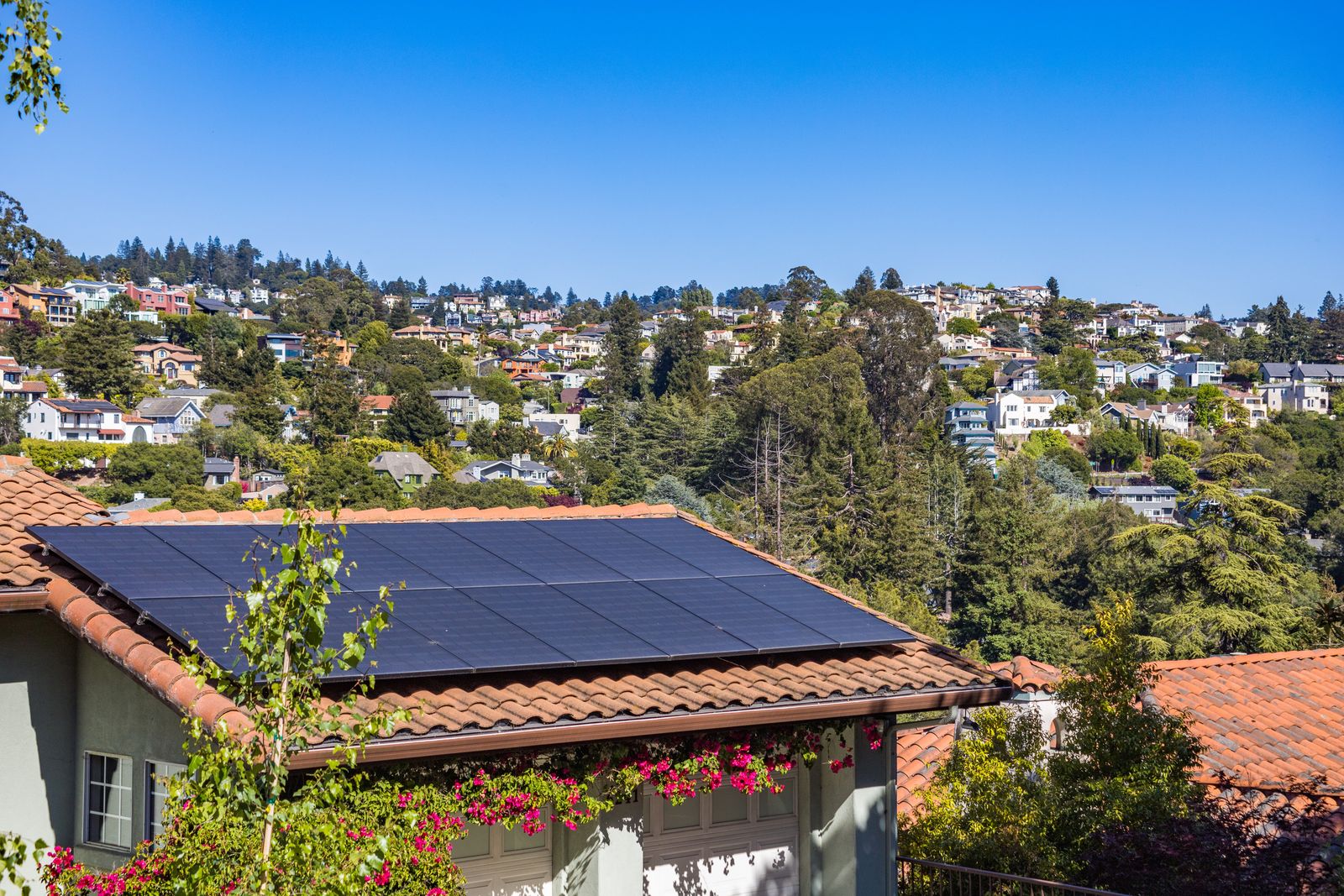
Yes. Modern solar panels generate electricity from daylight, including the diffuse light that comes through clouds on overcast days. Scotland has shorter winter days than the rest of the UK, but long summer days more than compensate — a well-designed system generates meaningful electricity across the year. A battery makes the most of every unit by storing midday production for evening use.
What about winter?
Winter generation is genuinely lower — December days can be as short as seven hours in the Central Belt and around six in the far north. Panels still produce on cloudy days, just less. Most Scottish solar households draw more from the grid in December and January and are largely self-sufficient from spring through autumn. A battery and, if you're on one, a time-of-use tariff help manage the winter months.
South-facing or east-west?
South-facing roofs produce the most total energy. East-west arrays produce slightly less in total but spread generation across more of the day, which can pair well with a battery because you capture morning and afternoon sun separately. The surveyor assesses what your roof allows and recommends accordingly.
Battery storage
Can I add a battery to my existing solar panels?
In most cases, yes. Depending on your current inverter, a battery can be added using either a hybrid inverter upgrade or an AC-coupled battery that works alongside your existing set-up. Our add-a-battery guide covers this in detail, and the surveyor checks your specific system during the visit.
How do I know what size battery I need?
Battery sizing depends on your daily electricity usage and how much surplus your solar panels generate. A battery should be large enough to store your typical daily surplus but not so large your panels never fill it. See our battery sizing guide for the factors involved, and the survey gives you a specific recommendation.
Can a battery work without solar panels?
Yes. A battery alone can charge from the grid during cheaper off-peak hours (if your tariff offers them) and discharge during peak hours. This is relevant if you're on a time-of-use tariff and want to reduce peak-hour consumption.
Inverters
What's the difference between a string inverter and a hybrid inverter?
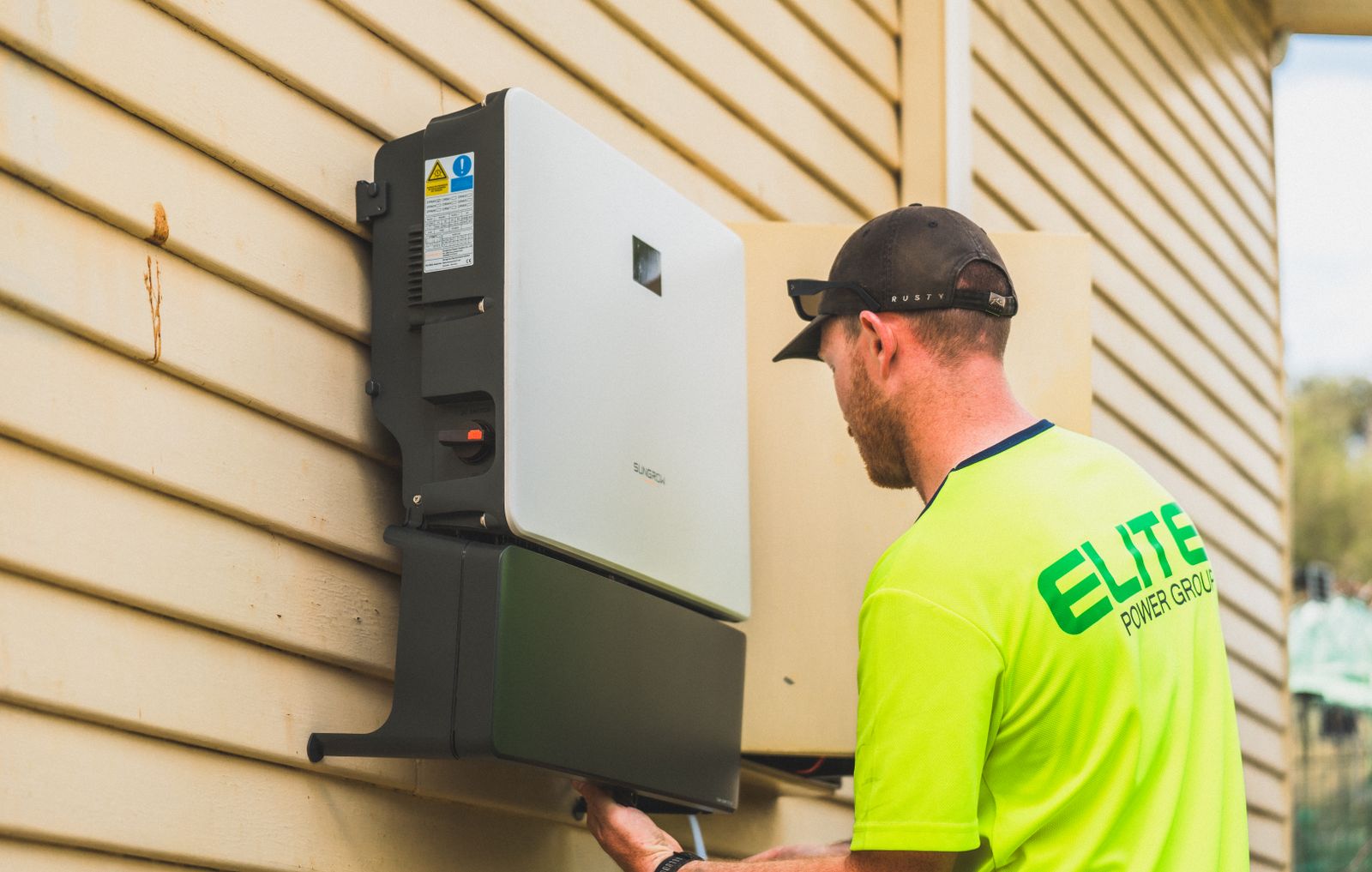
A string inverter converts the DC electricity from your solar panels into AC for your home. A hybrid inverter does the same but also manages a battery — deciding when to charge and discharge. For new combined solar-and-battery systems, a hybrid inverter is usually the cleanest choice. For retrofits where an existing inverter works well, an AC-coupled battery may be more practical.
Do I need a hybrid inverter to add a battery?
Not necessarily. An AC-coupled battery has its own inverter and can be added to most existing solar systems without changing the original inverter. The surveyor recommends the best approach for your specific set-up.
Costs, tax and finance
Is there 0% VAT on solar and batteries?
Yes. Solar panels and batteries for residential installations carry 0% VAT until 31 March 2027. Your written quote reflects this rate. After that date the rate is scheduled to change, and we can confirm the applicable rate at the time of your installation.
Is finance available?
Interest-free credit up to £30,000, subject to status. We can discuss finance options as part of the quote process. Full details are provided when you receive your written quote.
Are there any grants?
We do not handle grant applications. Every installation is priced with a written, itemised quote, and you can spread the cost with interest-free credit, subject to status. The Boiler Upgrade Scheme applies to England and Wales only and is not relevant to Scotland.
Installation and certification
Are your installers certified?
We install through MCS-certified partners. MCS (Microgeneration Certification Scheme) is the recognised quality standard for small-scale renewable installations in the UK. Your system is registered with MCS after installation, and you receive the certification paperwork.
How long does installation take?
A standard residential system is typically installed within one to two days, weather permitting. The surveyor gives you a specific timeline as part of the quote.
Do I need to tell my electricity supplier?
Your DNO (Distribution Network Operator) is notified as part of the installation process. Your electricity supplier may need to know about your generation system if you want to access any export payment arrangement — the surveyor can advise on this.
Getting started
Is the survey really no-obligation?
Yes. There is no charge for the survey, and you receive a written quote with no pressure to proceed. You can take as long as you like to decide, and if the quote isn't right for you, that's completely fine.
How do I arrange a survey?
Fill in the quote form on this site, or call us on 0141 230 0198. We'll arrange a survey at a time that suits you.
Frequently asked questions
Do solar panels work in the Scottish climate? +
Can I add a battery to my existing solar panels? +
Is there 0% VAT on solar and batteries? +
Are your installers certified? +
Are there any grants available? +
Is the survey no-obligation? +
How long does installation take? +
Do I need a south-facing roof? +
Last updated: 30 October 2026
Reviewed by the Scottish Energy Efficiency team.