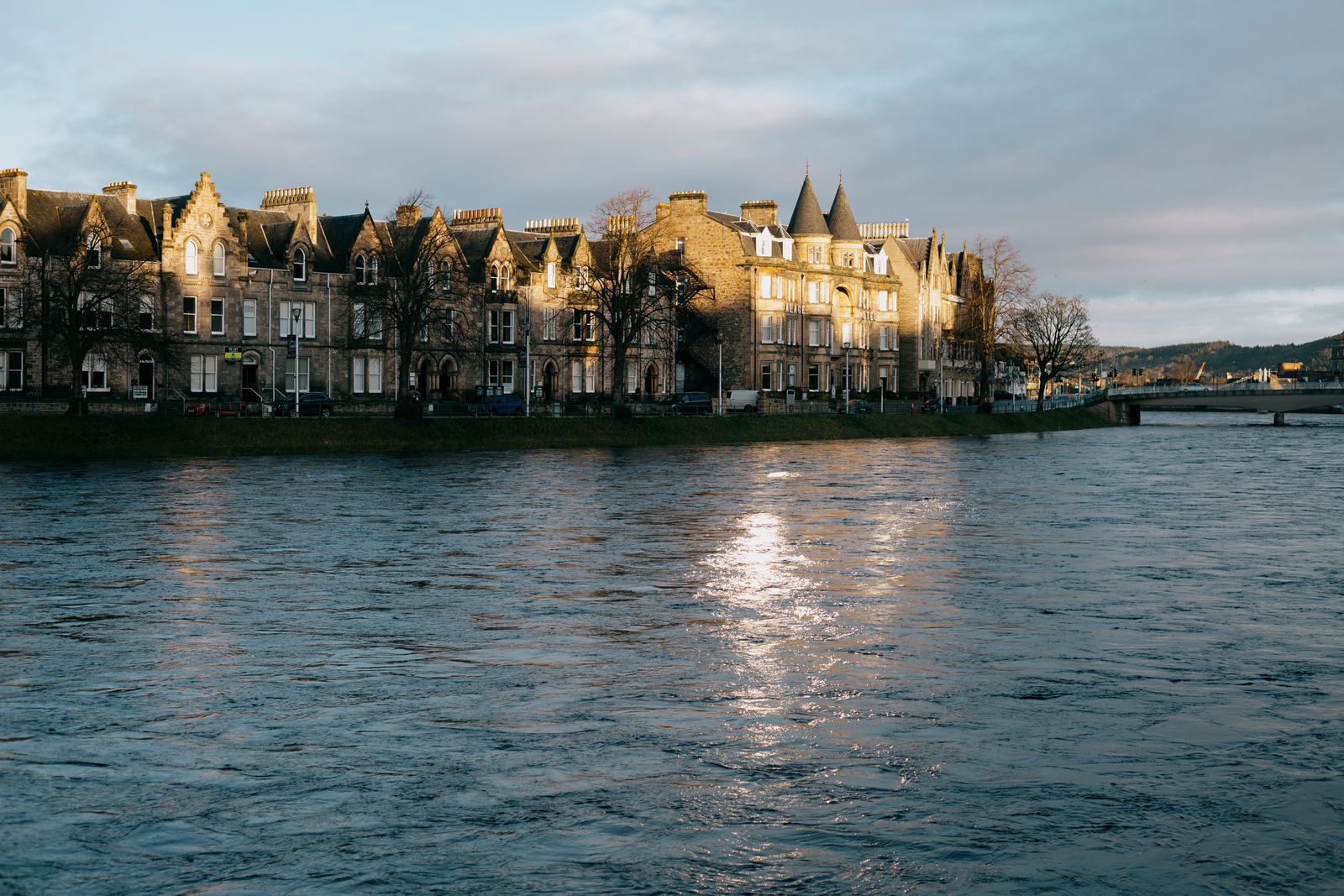
Solar Panels & Battery Storage in Inverness & Highlands
We arrange no-obligation solar and battery surveys across Inverness, Highlands & Islands, installed through our MCS-certified partner. This page covers the local housing, daylight and climate considerations for Inverness & Highlands, plus how to get a quote — 0% VAT applies until 31 March 2027.
Inverness and the Highlands present unique considerations for solar and battery storage — and also unique opportunities. The long summer days of the far north generate substantial electricity, while the dark winters make battery storage and time-of-use tariff strategies especially valuable. Scottish Energy Efficiency arranges no-obligation surveys and quotes across Inverness and the wider Highlands, from Culloden and Drumnadrochit to Nairn, Aviemore, and beyond.
We install through MCS-certified partners, and 0% VAT applies to solar panels and batteries until 31 March 2027. Whether you have a home in Inverness, a property near Loch Ness, or a remote house in the wider Highlands, we can assess what a system would look like for your location.
Solar and battery for Highland homes
Highland housing is diverse, with specific considerations for each type:
- Inverness city homes — a mix of Victorian terraces, post-war housing, and modern developments across Culloden, Smithton, and the city centre. Standard roof types, good solar potential.
- Croft houses and rural properties — common across the wider Highlands. These often have large roof areas and minimal shading, making them excellent candidates for solar. However, roof condition and access can be more challenging.
- New-build Highland properties — modern developments around Inverness and Nairn. These typically have straightforward roofs and space for battery storage.
- Remote and off-grid-leaning properties — some Highland homes are in areas with less reliable grid connections. A battery can provide backup value here, and the surveyor discusses whether backup power mode is relevant for your situation.
The extreme Highland daylight cycle
The Highlands have the most dramatic daylight variation in Scotland. In June, Inverness gets nearly 18 hours of daylight — more than anywhere else in the UK. This means a Highland solar array can generate substantial electricity in summer, often more than a comparable southern system on a per-panel basis during those long days.
The trade-off is winter. In December, Inverness has around six hours of daylight, and generation is very low. This is where a battery becomes especially valuable: in summer it stores the large surplus from long days, and in winter it can store cheaper off-peak grid electricity if you're on a time-of-use tariff. Some Highland households also value the backup power capability that certain battery systems offer during winter storms.
The surveyor gives you a realistic, year-round view of what to expect — no exaggerated claims about winter performance, just honest assessment.
Your Highland survey
Our surveyors travel across the Highlands to assess properties. The survey considers your roof, electrical set-up, and energy usage, plus any Highland-specific factors like grid connection capacity (some rural areas have single-phase supplies with limited headroom) and exposure to wind and weather.
You receive an itemised written quote reflecting 0% VAT with no obligation. If you proceed, our MCS-certified partner carries out the installation. Remote Highland locations may take slightly longer to schedule, but we cover the region comprehensively.
Interest-free credit up to £30,000, subject to status. Written, itemised quote, no pressure.
Get a Inverness & Highlands solar and battery quote
If you're in Inverness & Highlands or anywhere across the surrounding area, the first step is a no-obligation survey. We'll assess your roof, your energy usage, and your existing set-up, then provide a written quote for a paid installation — 0% VAT applies until 31 March 2027. Request a quote online or call 0141 230 0198.
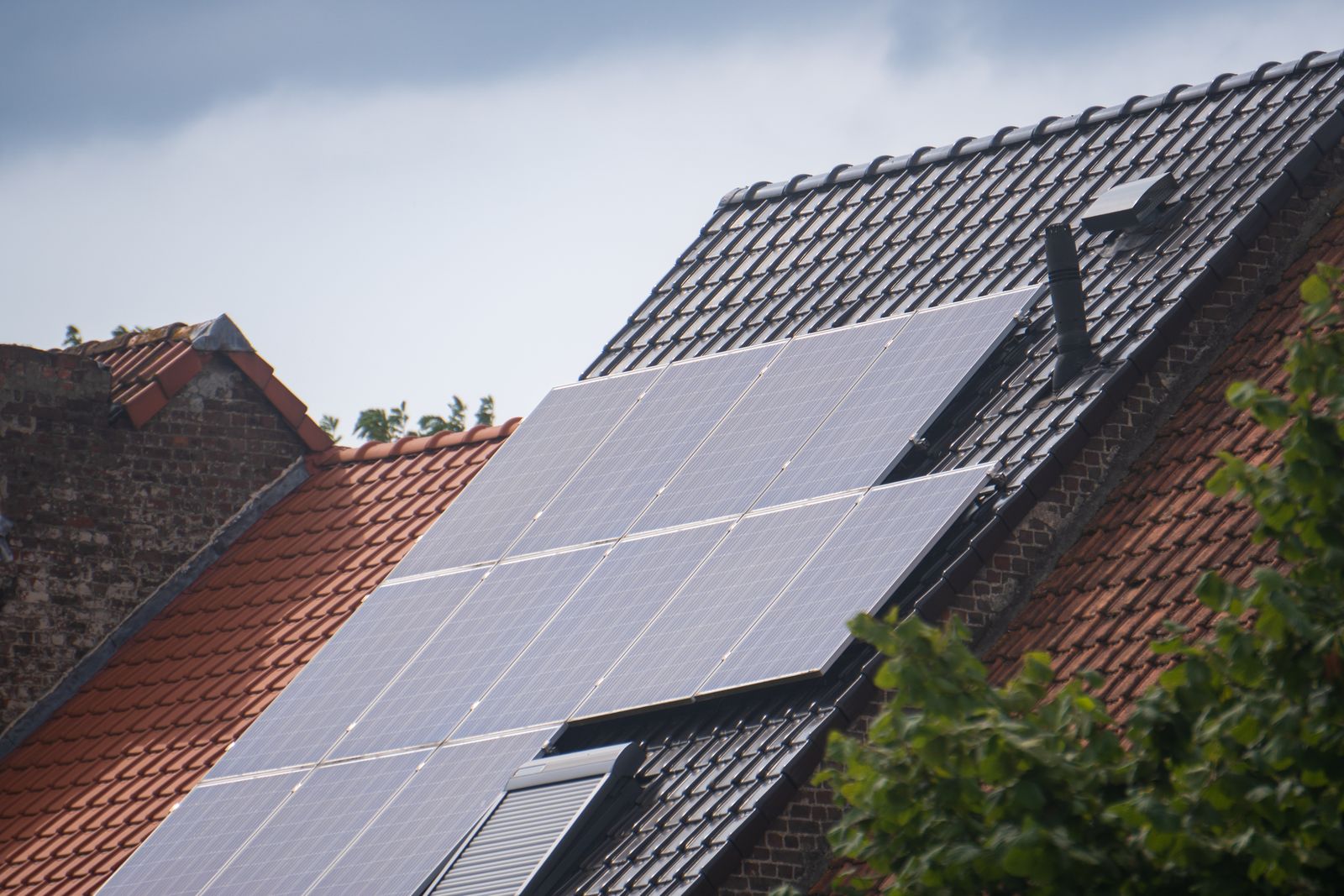
Frequently asked questions
Do you cover my part of this area? +
Is the survey no-obligation? +
Are your installers certified? +
Is there 0% VAT? +
Do you offer finance? +
Do solar panels work in the Scottish winter? +
Can I add a battery to existing solar panels? +
Last updated: 30 October 2026
Reviewed by the Scottish Energy Efficiency team.